Establishing Routines and Expectations for Upper Elementary Grades: 6th Grade Edition

Ah, the sweet smell of a new school year! The classrooms are sparkling clean, the bulletin boards are decorated with Pinterest-worthy precision, and a fresh batch of bright-eyed sixth graders is ready to embark on the learning adventure of a lifetime. Whether you’re a newbie teacher or a seasoned pro, establishing routines and expectations early on is key to a successful year. So, let’s dive into some practical (and slightly humorous) tips to make your sixth-grade classroom a well-oiled machine!

What Do You Need for Class? (I’m Ready to Learn When I Have…)

Picture this: The bell rings, and students file into the classroom, each one confidently holding everything they need to start the day. Sounds like a dream, right? Let’s turn that dream into reality with a simple checklist.

  1. Pencils: I chose not to fight the “Pencil War.” I do have a Pencil Rental Center at the back of my classroom chalkboard, where kids can sign out one of 3 pencils…it’s a simple process that works well. The sign says PENCIL RENTAL. I use 3 magnetic clips to hold the pencils. Students erase their name when they return the pencil at the end of class. This has definitely cut down on the number of pencils I hand out… but I do order 500 pencils from Amazon. I’d rather hand out a pencil and keep that student engaged and focused on math than the alternative but I know not everyone agrees. It’s a $12 investment that I think is worth it.
  2. I’m Ready to Learn When: Make sure students know what supplies they need to be Ready to Learn each day. I post a laminiated supply list at the entrance to my room since kids switch back and forth between subjects.
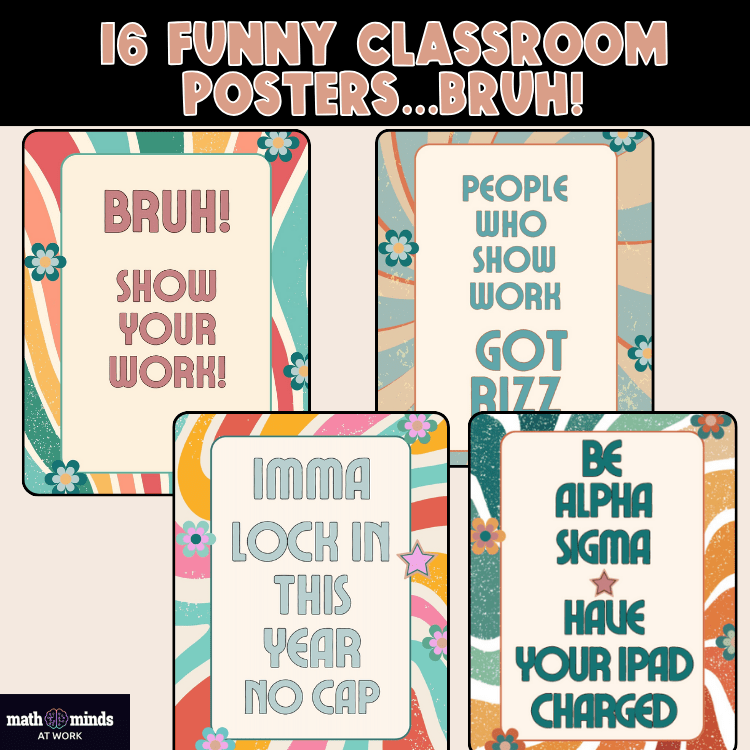
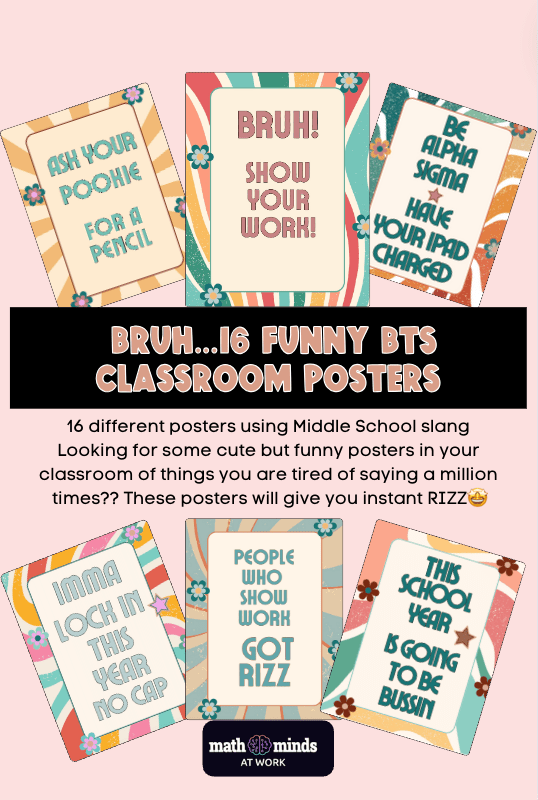
  3. BRUH! HAVE A POSITIVE ATTITUDE! I establish my VIBE and build studdent rapport with my fun and useful classroom posters! Kids love it when teachers “try” to speak their language. Whether you have “RIZZ” or are ready to LOCK IN…your students will have a chuckle and you’ll likely start to build a relationship with them. Classroom posters that are funny and speak to the age group are just what you need!
Desk Tags and Seating Charts: Organized Chaos

Desks. The battlegrounds of middle school. Creating a seating chart that fosters a positive learning environment can feel like a game of Tetris, but it’s worth the effort.

  • Desk Tags: Start the year with fun, personalized desk tags. Not only do they help you learn names faster, but they also make students feel special. Plus, it’s easier to spot who moved desks without permission!

Teacher Signal: Give Me 5 or Callbacks

Keeping 25+ sixth graders focused and quiet can be like herding cats. Enter the teacher signal. Whether it’s “Give Me 5” or a fun callback, having a reliable method to get their attention is a game-changer. I’m amazed how teachers can truly quiet a loud of humans with a hand signal or a few words! I can’t think of another professional who can do this!!!!!

  • Give Me 5: This classic signal involves raising your hand and waiting for students to raise theirs and stop talking. It’s simple, effective, and works well for all ages.
  • Callbacks: They are not to old for call and response. For example:
    • Teacher: “Class, class!”
    • Students: “Yes, yes!”
    • Teacher: “Macaroni and cheese!”
    • Students: “Everybody freeze!”
  • Music Cues: Play a specific tune when it’s time to clean up or transition.

A Final Word

Starting the school year with clear routines and expectations sets the tone for success. Remember, the goal is to create an environment where students feel safe, organized, and ready to learn. And don’t forget to sprinkle in some humor and fun along the way. You’ve got this, teachers! Here’s to a fantastic year of learning, laughter, and lots of sharpened pencils.

Happy teaching! 🍎


Whether you’re feeling anxious about the new year or ready to dive in headfirst, establishing these routines will help you create a classroom environment that’s conducive to learning and growth. Let me know if there’s anything else you’d like to cover or if you need further elaboration on any of these points!
Welcome Back, Teachers!

As we gear up for another exciting school year, it’s time to start thinking about how to set the stage for a successful and engaging classroom. The beginning of the year is the perfect time to establish routines, build community, and spark curiosity in your students. Here are some ideas for beginning-of-the-year activities and routines to help you hit the ground running.

1. Classroom Scavenger Hunt

A scavenger hunt is a fun way for students to familiarize themselves with the classroom layout, important materials, and classroom expectations. Create a list of items and areas for students to find, such as the supply station, the homework bin, and the classroom library. This activity encourages movement and collaboration, and it helps students feel comfortable in their new learning environment.

2. All About Me

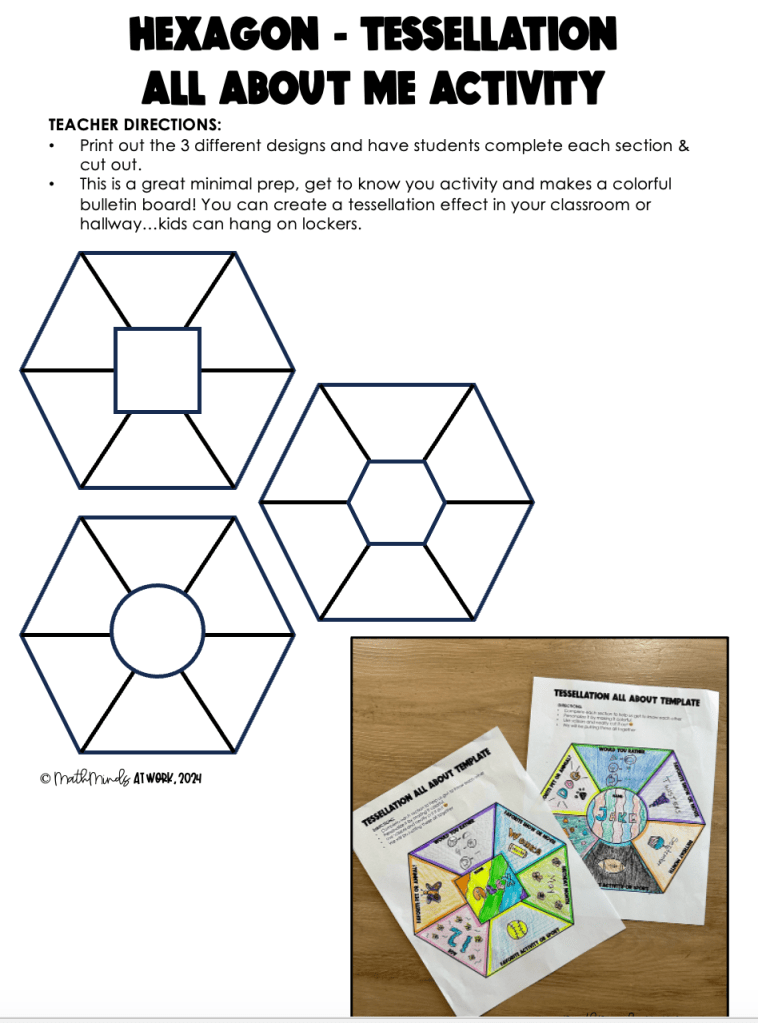
Start the year with an “All About Me” activity, where students can share information about themselves. You can include math in this activity. This not only helps you get to know your students but also allows them to see the relevance of math in their everyday lives. Check out my Hexagon “All About Me” on my TPT store! The Back To School Sale on TPT is August 6-7!

3. Classroom Norms and Expectations– Have Fun With This!

Establishing clear expectations from the beginning is crucial for a smooth-running classroom. Involve your students in creating classroom norms by having a discussion about what makes a positive learning environment. Create a poster with the agreed-upon norms and display it prominently in the classroom. Revisit these norms regularly to reinforce positive behavior.⭐️CHECK OUT THESE RESOURCES AND MORE on TPT at Math Minds at Work:

4. Math Journals

Introduce math journals as a daily routine. Provide prompts for students to reflect on their learning, solve problems, and explain their reasoning. Journals are a great way for students to practice writing in math, and they provide you with valuable insights into their understanding and thought processes.

5. Group Work and Collaboration

Start building a culture of collaboration early on by incorporating group work into your lessons. Begin with simple team-building activities that require students to work together to solve problems. This helps to establish a sense of community and teaches students the importance of communication and teamwork.

6. Number Talks/Math Talk

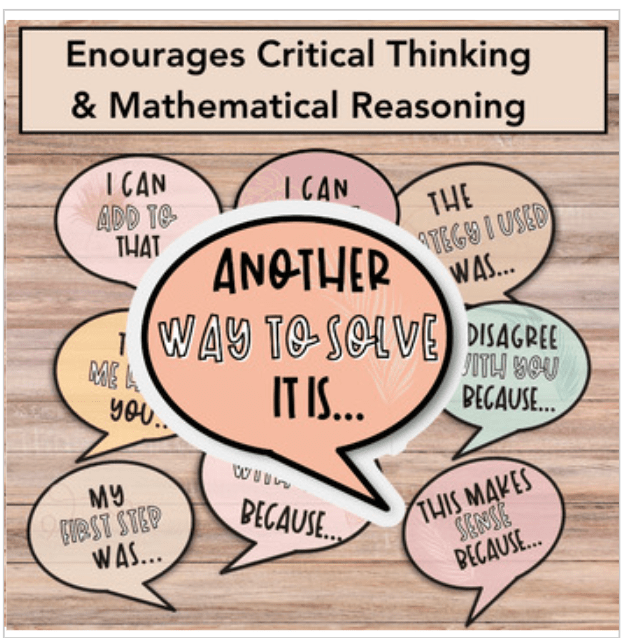
Number talks are short, daily exercises designed to improve students’ mental math and number sense. Present a problem and ask students to solve it mentally, then share their strategies with the class. This routine encourages students to think critically and articulate their mathematical thinking. Math Talk Poster link HERE

7. Math Stations

Set up math stations with different activities that students rotate through. Stations can include hands-on manipulatives, math games, technology-based activities, and problem-solving tasks. This keeps students engaged and allows for differentiated instruction. EMAIL ME at buildingmathminds.tpt@gmail.com for some Freebies to get you started…Just type in Math Freebies!

8. Goal Setting

Have students set personal goals for the year. These can be academic goals, such as improving their multiplication skills, or personal goals, like being more organized. Revisit these goals throughout the year to track progress and celebrate achievements.

HAPPY TEACHING! Mary

Mastering Classroom Management: Proven Behavior Strategies for Smooth and Engaging Learning Environments

When done effectively, classroom management is important for three main reasons. It:

  1. Creates a productive, safe learning environment in the classroom
  2. Fosters meaningful learning and contributes to developing positive peer interactions
  3. Boosts students’ academic engagement and lowers negative classroom behavior

My Top Classroom Management Strategies

We’ve experienced two full moons in one month and the “honeymoon” phase of school is definitely over (no pun intended 😁). Here are some of my top classroom procedures that I use to keep my sanity and create a happy, productive classroom for any grade!

⭐️BUILD RELATIONSHIPS WITH STUDENTS IMMEDIATELY! Start the year with activities that allow you to build relationships with your students.

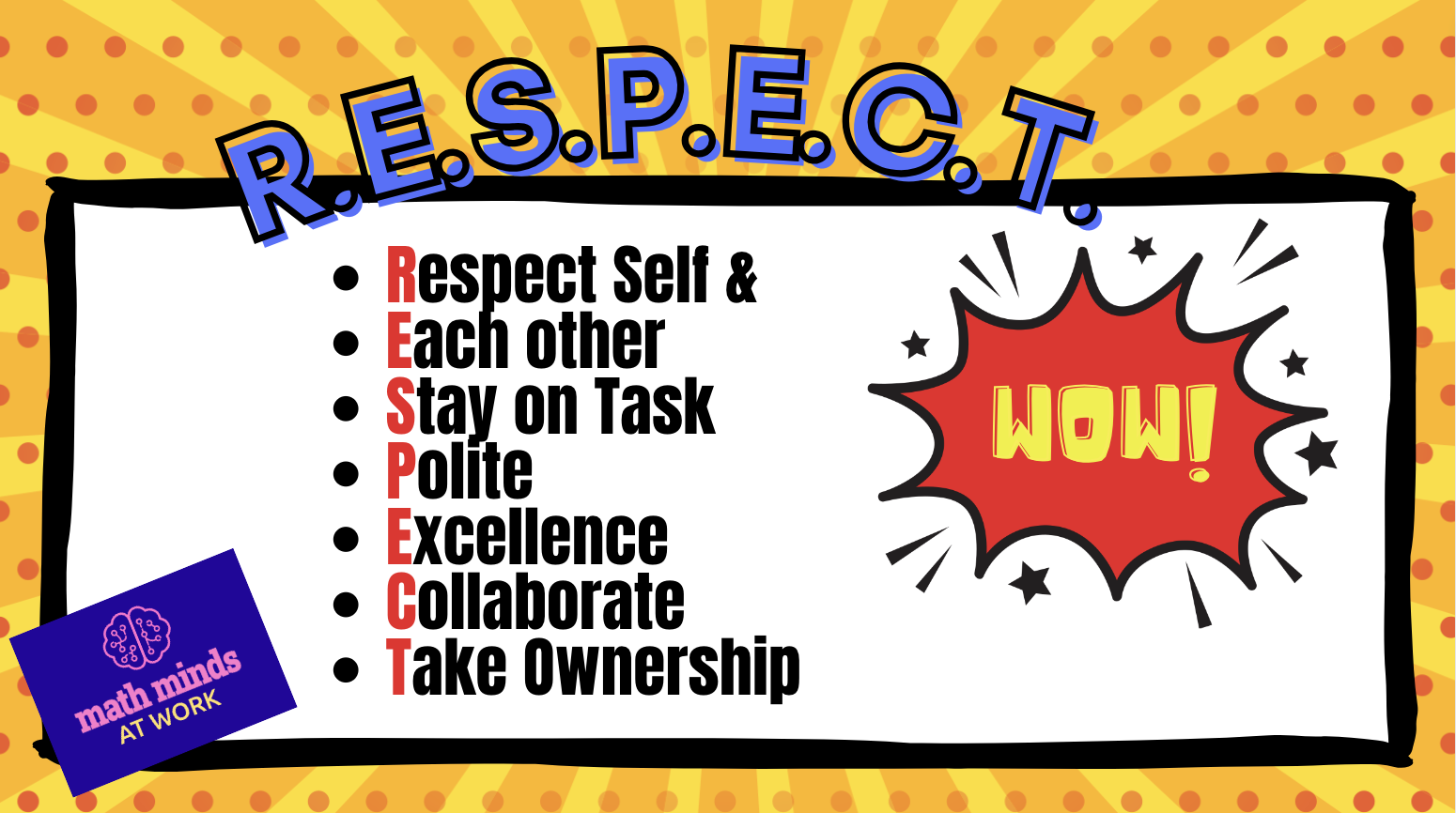
⭐️Classroom RESPECT CONTRACT– we spend a lot of time working on a RESPECT Contract together. Students help identify common expectations for how the classroom environment should feel and run. When students are involved in this process (even elementary school students), there is a culture of respect.

⭐️ADDRESS behavior quickly and privately. Students complete FixIt Ticket reflection sheets. (see link below)

⭐️RESTORATIVE CLASSROOM– my RESPECT contract and Fix It Tickets have truly changed how I handle behavior in class come from “The Restorative Classroom” techniques. There are clear expectations and students have opportunities to reflect on their choices.

⭐️ROUTINES– homeroom routines, lunch, attendance, morning work, arrival/dismissal

⭐️ESTABLISH EXPECTATIONS for group, partner, and independent work.( see blog post on the 100 numbers activity)

⭐️CREATE ENGAGEMENT: I mix things up…Behavior Bingo (math lotto), Capture the Flag, Room Transformations, Scavenger Hunts. Incorporating engaging activities helps kids get excited about learning and working hard

⭐️POSITIVE Classroom rewards: students can earn a monthly activity for outstanding behavior, or try behavior bingo. Class can decide on the reward they’re working towards (PJ day, movie day, game day, extra recess, etc.)

⭐️MODEL expected behavior and praise expected behavior…”I like the way Daniel looks ready to learn right now.”

⭐️POSITIVE PARENT RELATIONSHIPS: I make a point of making positive phone calls to students who I notice may need more redirection than others during that first week of school. Positive phone calls go a long way in gaining parent support. I literally make 3 phone calls each day after school during that first week.

⭐️BE INVESTED! I have found that if kids know you’re truly invested in them as humans, they will be more invested in being productive and will work hard on growing their math minds.

⭐️CHECK OUT THESE RESOURCES AND MORE on TPT at Math Minds at Work:

RESPECT in the Classroom

Sample RESPECT CONTRACT: EMAIL ME FOR YOUR FREE RESPECT SLIDE PRESENTATION: buildingmathminds.tpt@gmail.com

VISIT MY TPT store for these resources and more!

💕Happy Teaching!

Contact Me:

EMAIL ME FOR YOUR FREE RESPECT SLIDE PRESENTATION: buildingmathminds.tpt@gmail.com

You can connect with me on Instagram, my TPT store or Pinterest.  

My Favorite Back To School Resources

Tips for Building A Community in Your Math Classroom

I have been teaching math for ten years, and it is definitely one of my passions. My advice to upper elementary math teachers is to have fun in the classroom and be structured so kids can build their math confidence through challenging and engaging activities.

Screenshot 2023-07-21 at 5.29.12 PM

Math About Me…

Math about me from Math Minds at Work on TPT is a great way for students in 5th and 6th grade to wake up their math brains on the first day of math class and share information about themselves. This resource uses rounding, addition, multiplication, and place value. Building positive relationships at the beginning of the year helps students feel invested in their learning. This also impacts the effort they put forth each day in class. Teaching math is not hard if you understand the content and have strong management skills.

Activities that make the beginning of the year go smoothly…

The first few days (before you jump into your math curriculum) can feel very overwhelming. These get to know you days are hectic so it’s important to have easy no prep activities that will build your classroom community, provide opportunities for students to get to know their classroom family, and set the tone for your year.  Here are three things I would suggest you do to prepare for these first few daysyear teacher.

Screenshot 2023-07-23 at 12.04.12 PM
  1. Get to know you activities that are engaging and do double duty

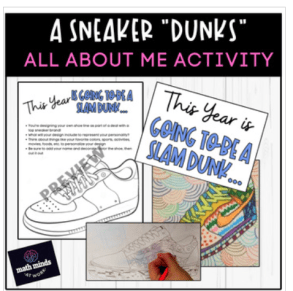
Have several on hand…be mindful that technology (ipads and chromebooks) isn’t always working smoothly for students the first few days. Sometimes passwords aren’t working for some students so I plan on paper activities, even though I am obessed with technology in my classroom. Find activities that do double duty like a get to know you activity you can turn into a bulletin board like the sneaker “dunks” link below.

  1. Plan out two weeks of lessons on your first unit

Have a basic plan to follow for your first days (and weeks) of school. It doesn’t need to be all content-focused. Begin the year by setting the expectation that your classroom is a place where students will have solid routines and high expectations for learning.

Screenshot 2023-07-29 at 12.58.24 PM
  1. Create a plan for classroom management

It is so important to have great classroom management and clear expectations. It is during these first few days that you should implement routines to manage the challenging situations that may arise, especially when students need opportunities to refocus and make better choices. When planning your procedures, think about how your class will go, starting with students entering the classroom, warm ups, how they will get materials out…These are things will save you time and energy throughout the year.

My Top Classroom Procedures:

Here are some common classroom procedures that I teach to my students over the course of the first few weeks:

  • Entering and exiting the Classroom
  • Class Rules- we spend a lot of time working on a RESPECT Contract together
  • Arrival-  homeroom routines, lunch, attendance, morning work & activities
  • Homework – taking out hw for checking, writing down hw in agenda, missing hw
  • Math Class Routine- warm ups, ignite activities to get our math minds working
  • Independent and group work procedurs and expectations
  • Hallway behavior and expectations
  • Locker usage – appropriate times and organization
  • Lunchtime, recess, dismissal procedures
  • Check out these resources on TPT at Math Minds at Work:
RESPECT in the Classroom
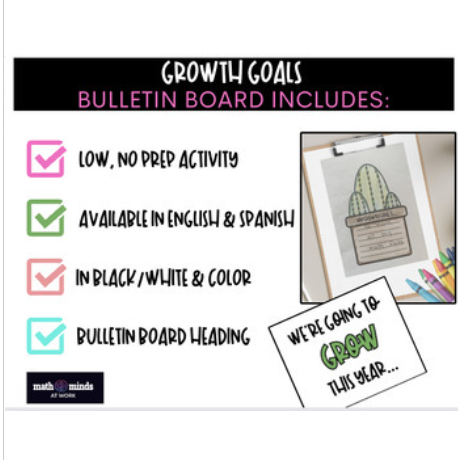
Setting Growth Goals
Respect Contract that the classroom comes up with together

Most importantly, I have found that if kids know you’re truly invested in them as humans, they will be more invested mathematicians and will work hard on growing their math minds.

Good luck during these first days of class! Happy Teaching!

Contact Me:

You can email me at buildingmathminds.tpt@gmail.com or connect with me on Instagram, my TPT store or Pinterest.  

This beginning of year activity is my favorite for building colloboration in the math classroom…

The beginning of the year is an amazing opportunity to model and discuss what productive group work looks like in in our math classroom. I use the 1 – 100 Group Task from Sara Venderwerf (CLICK ON THE IMAGE below)

1 – 100 Group Task (adapted from Sara Vanderwerf)

screenshot_2015-12-01-16-18-17-1.png
  • I put students in groups of 4.  
  • Students use differnt color highlighters in each group
  • Distribute one handout per group face down.
  • I use closest birthday to seewho will go first and then continue in a clockwise direction.
  • Student #1 will highlight or cross off the number 1.  The next student will cross off number 2.  The following student 3 and so on.
  • I set a timer for approximately 2-3 minutes to get as far as they can.

Then we discuss what worked and what didn’t…the kids come up with our class “rules” for what great group work should look like. This is such an impactful and no prep activity to build your classroom culture! I hope you give it a try!

HAPPY TEACHING!

CONTACT ME:

You can email me at buildingmathminds.tpt@gmail.com or connect with me on Instagram, my TPT store or Pinterest.